

About Kythnos
Kythnos is accessible by ferry from the port of Piraeus in Athens and from other nearby islands.
The ferry ride from Piraeus takes approximately 2-3 hours, depending on the type of ferry, and approximately 1.45’ from the port of Lavrio.
Overall, Kythnos is an idyllic destination for those seeking a blend of natural beauty, historical charm, and authentic Greek island life.
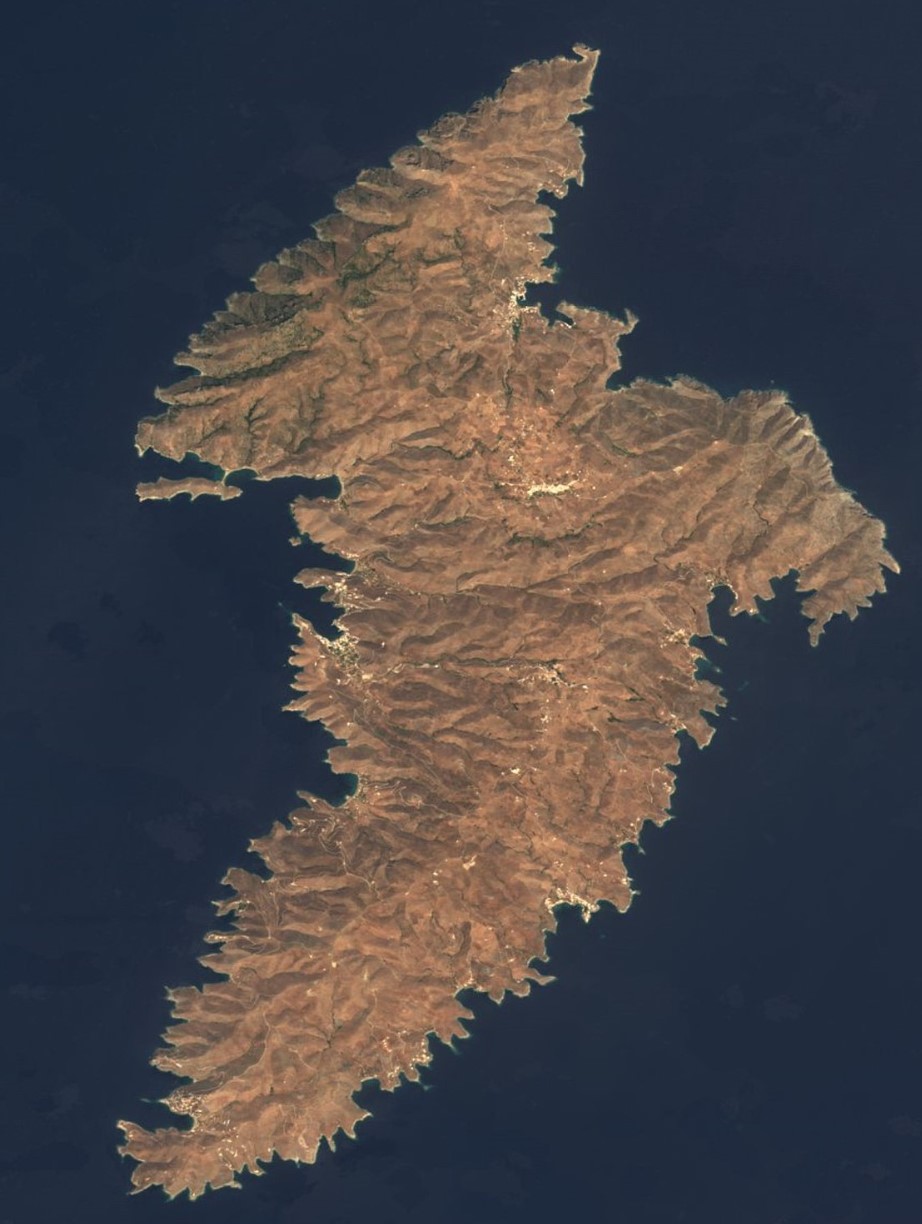
Kythnos is a picturesque island in the Cyclades group in the Aegean Sea, known for its traditional charm, stunning landscapes, and beautiful beaches. Here are some key details about Kythnos:
Geography and Location
Location: Kythnos is situated between the islands of Kea and Serifos,
approximately 100 kilometers southeast of Athens.
Area: The island covers about 100 square kilometers.
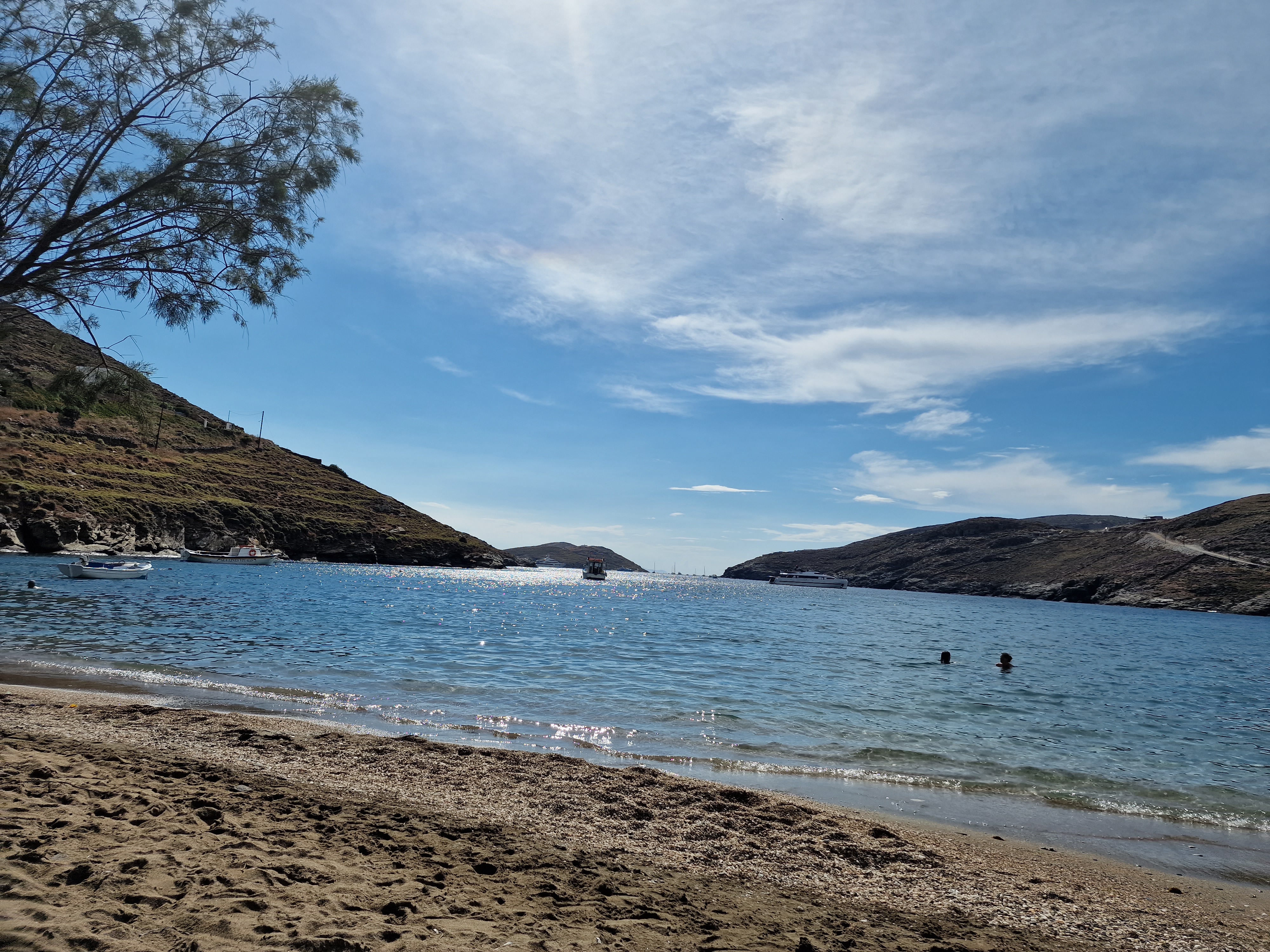
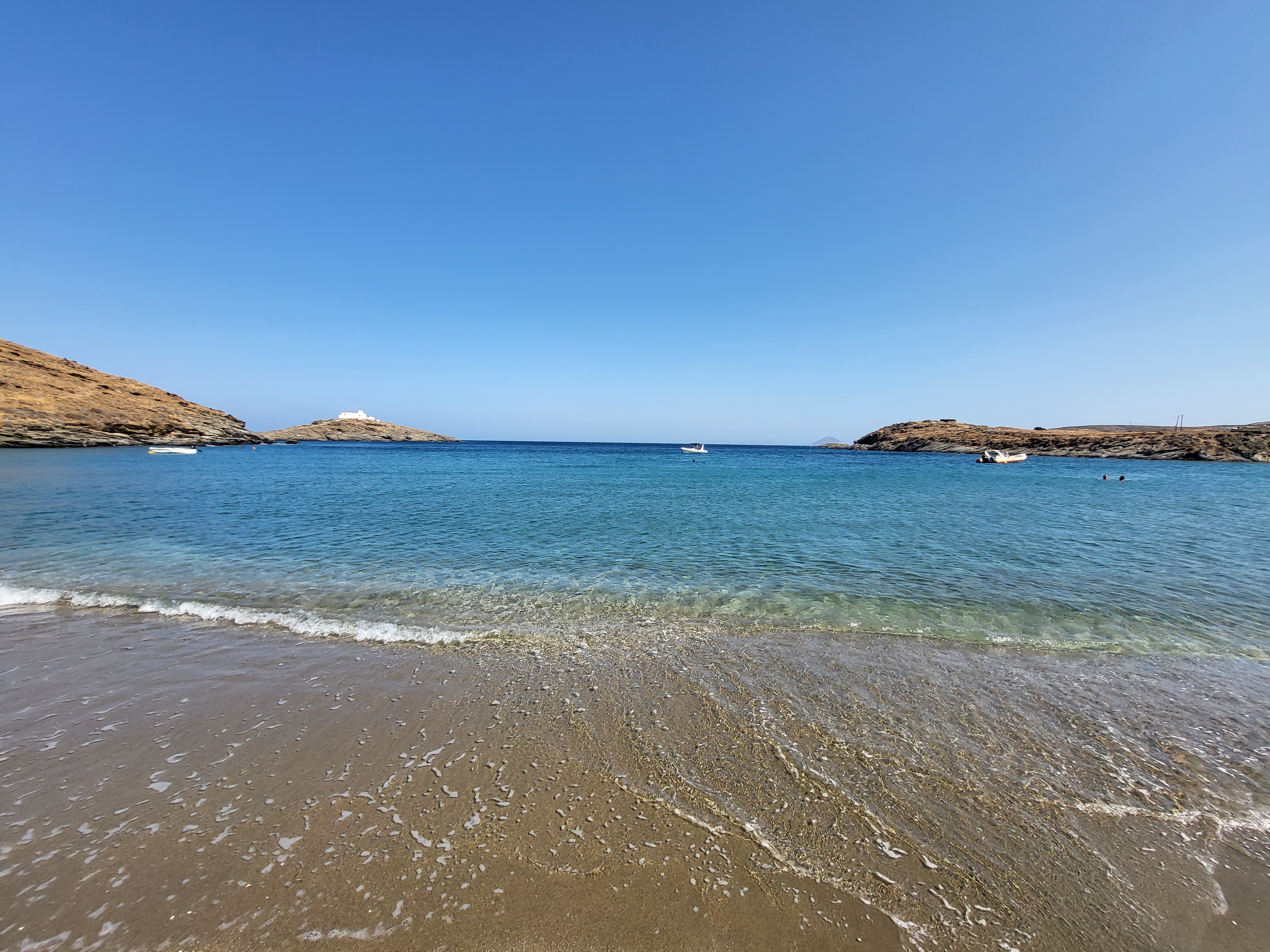
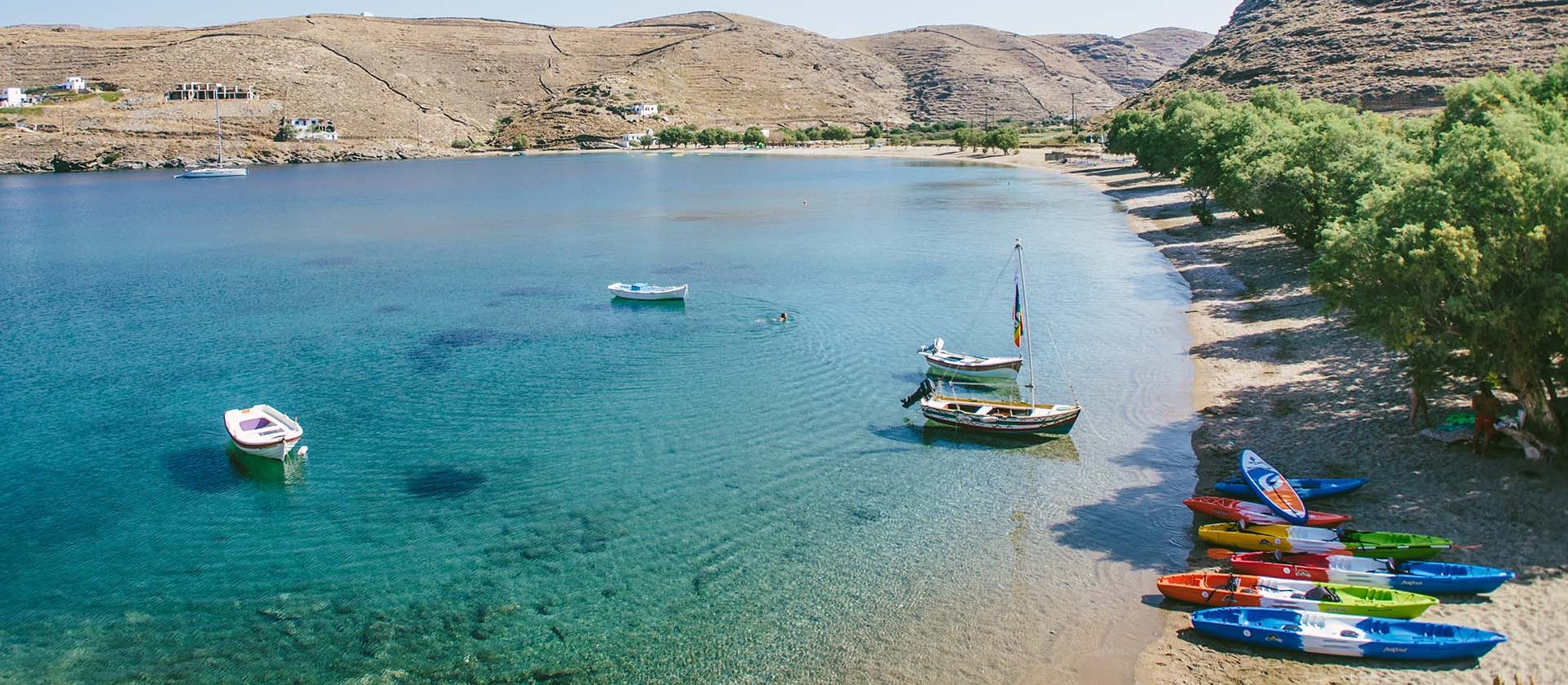
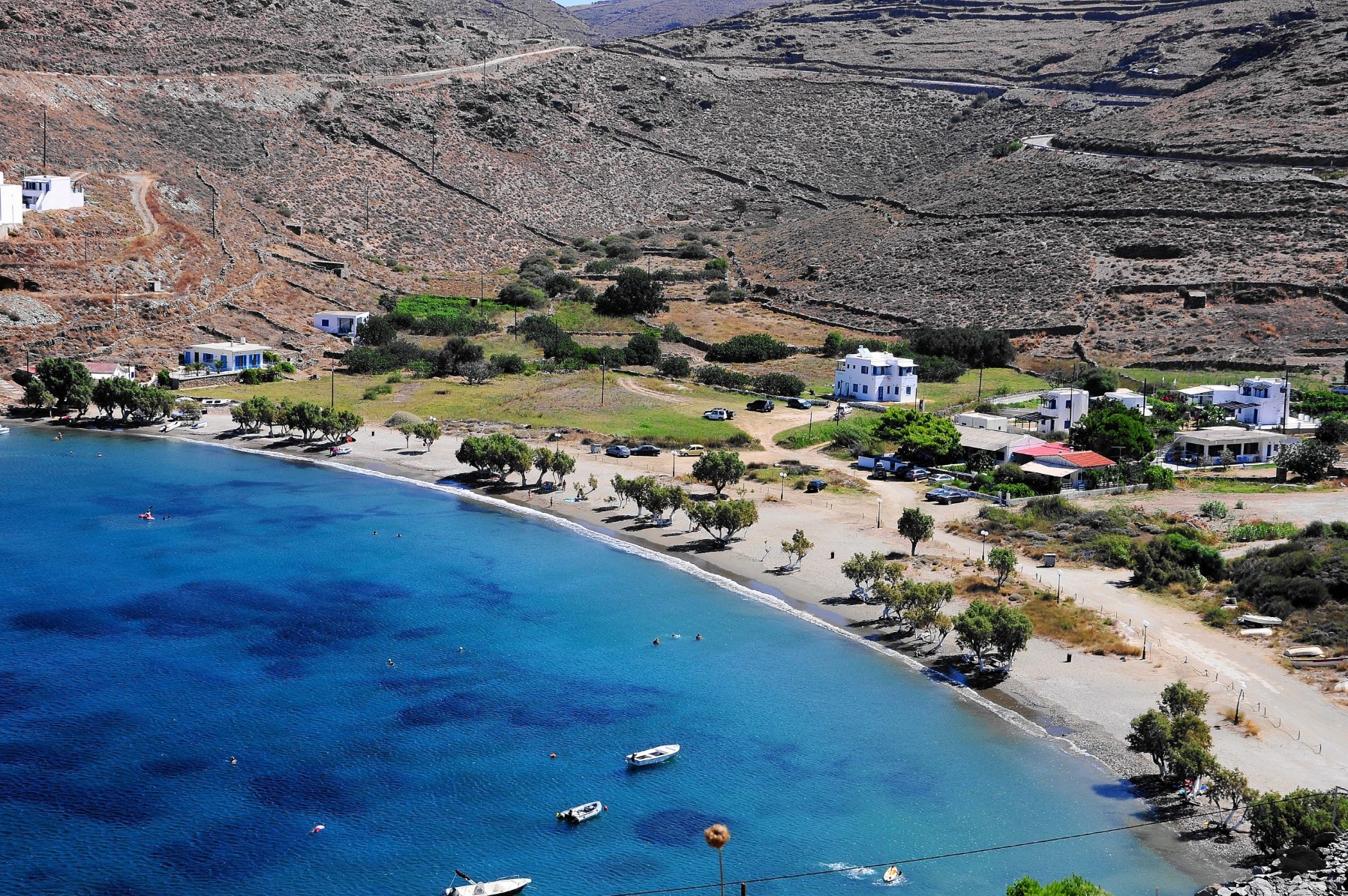
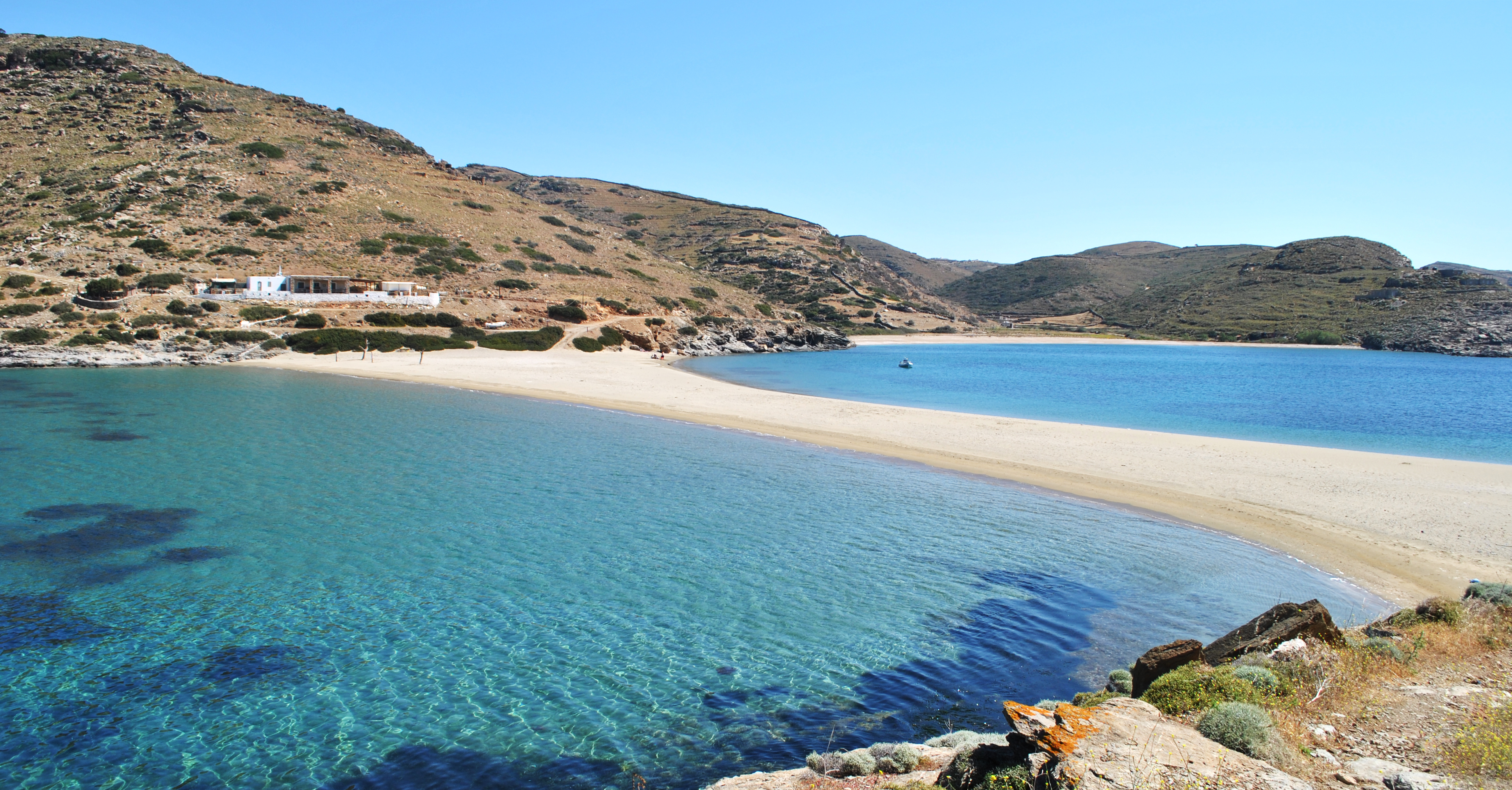
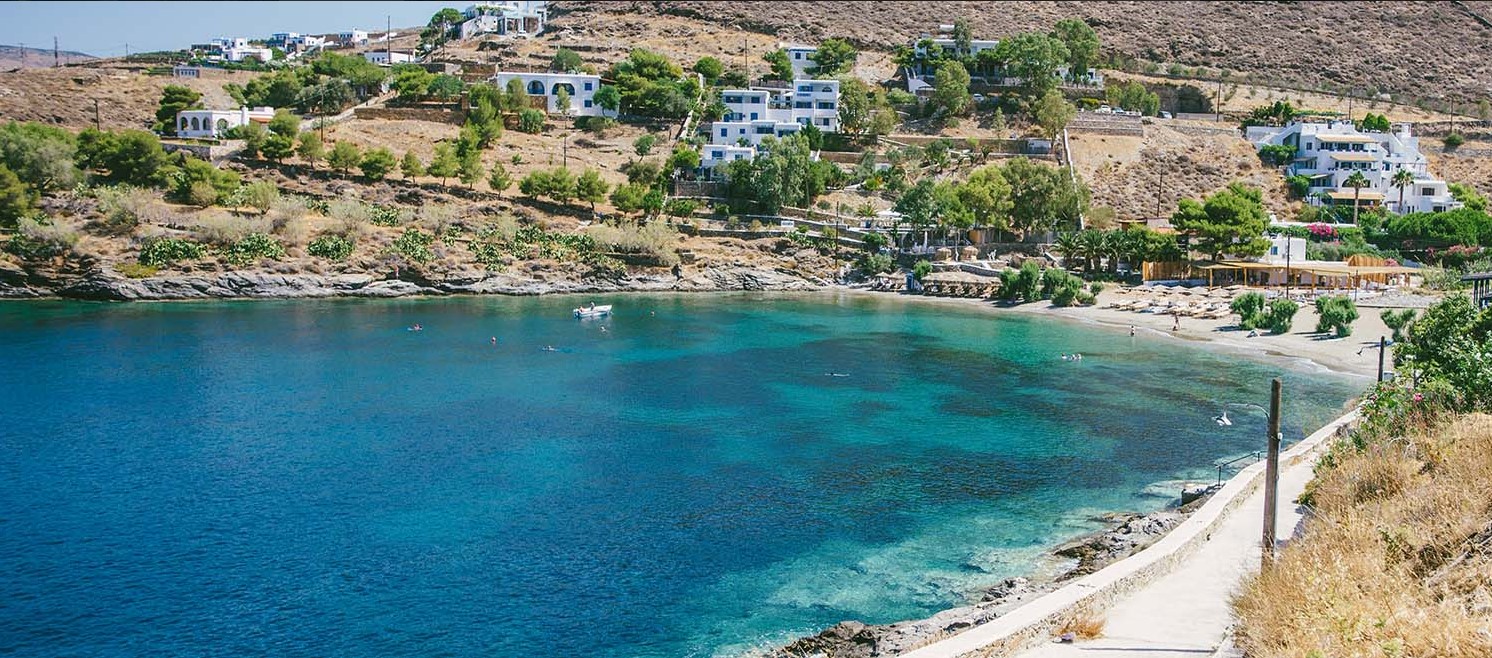
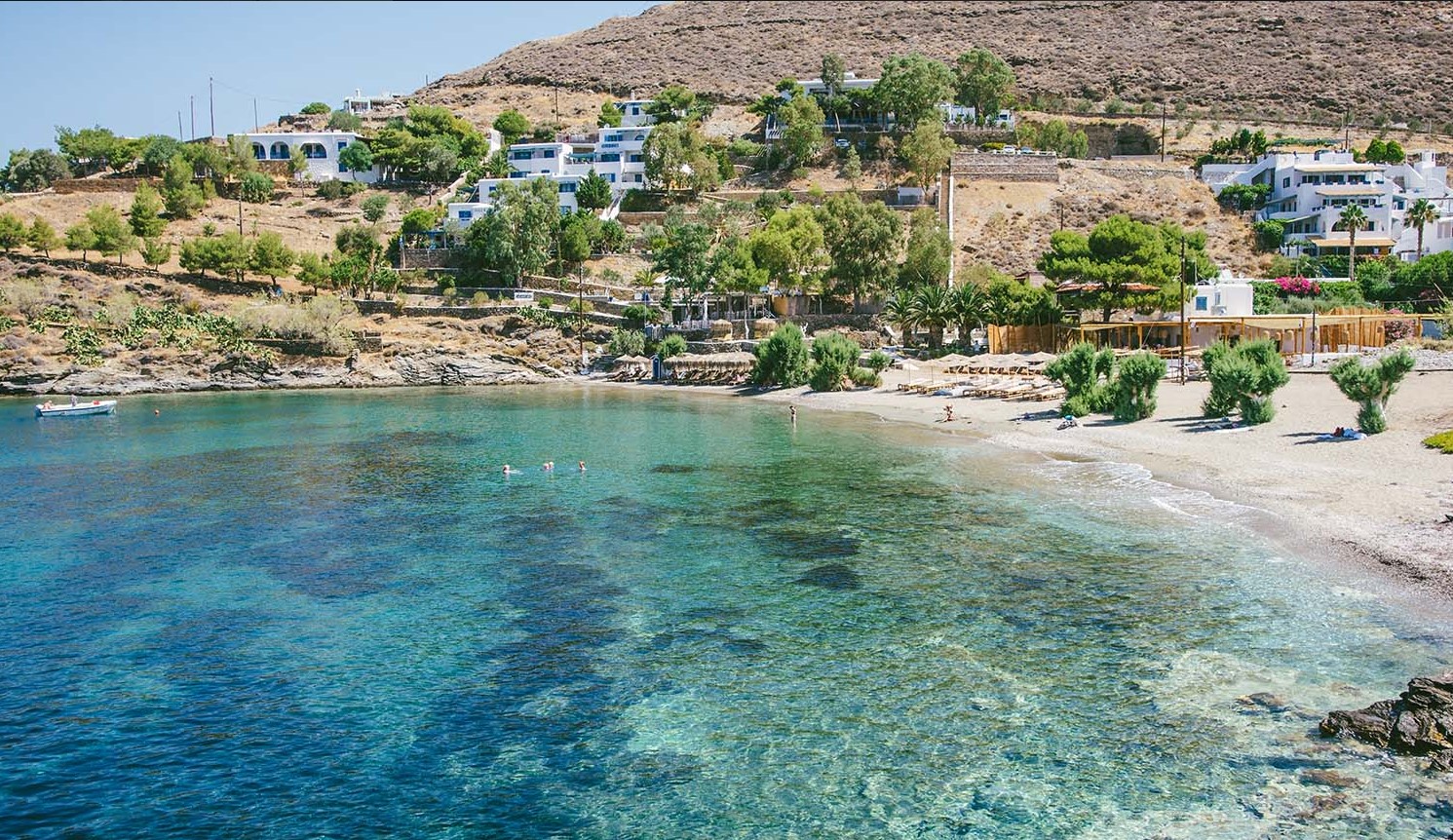
Terrain: Kythnos features a mix of rugged hills, fertile valleys, and a coastline adorned with 99 beaches.
History
Ancient Times: The island has a long history dating back to the prehistoric period. It was known for its pottery and obsidian trade.
Classical Era: Kythnos was mentioned by ancient historians such as Herodotus and Thucydides. It played a role in various historical events, including the Persian Wars.
Medieval Period: During the Byzantine era, Kythnos was fortified to protect against pirate raids.
Modern Era: The island became part of Greece after the Greek War of Independence in the 19th century.

Main Settlements
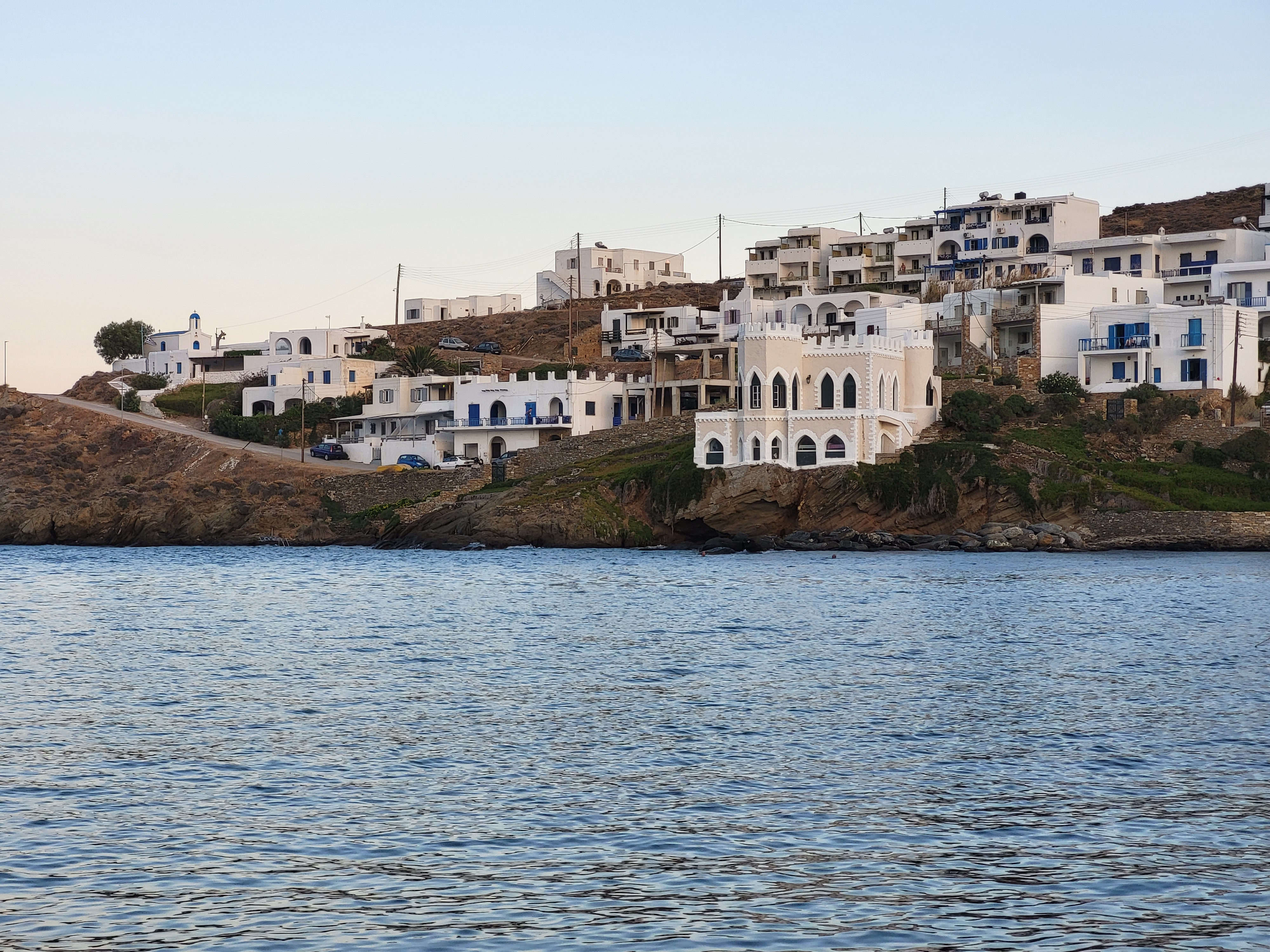
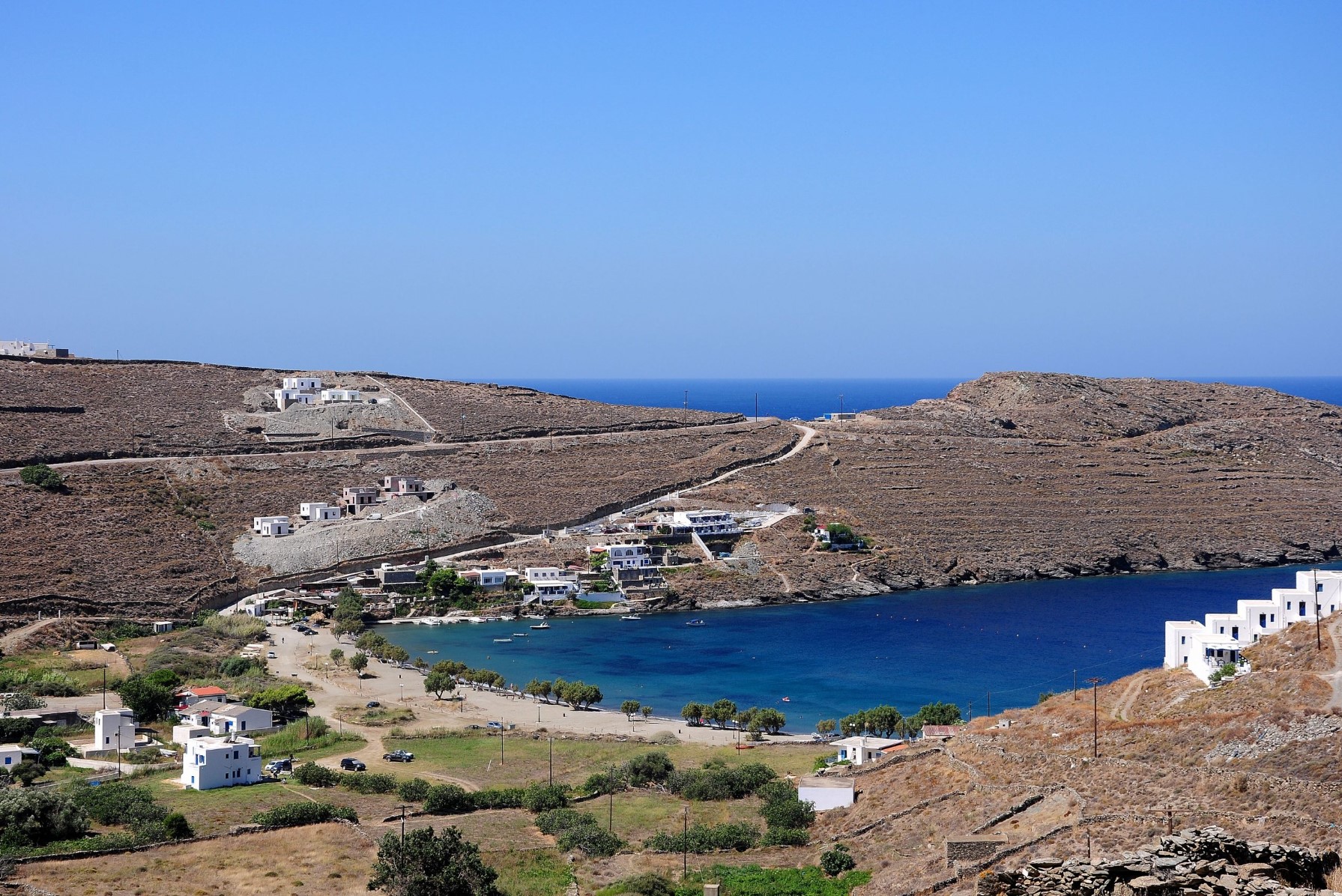
Merichas: is a charming coastal port ,known for its picturesque Cycladic architecture and laid-back atmosphere, Merichas is a popular destination for those seeking relaxation and tranquility.
Chora (Messaria): The capital of Kythnos, known for its narrow, winding streets, whitewashed houses, and charming squares.
Dryopida: A traditional village with distinctive architecture and a rich cultural heritage, including the Katafyki Cave.
Loutra: Famous for its hot springs, which have been used since ancient times for their therapeutic properties.
Attractions
Beaches: Kythnos boasts numerous beautiful beaches, such as Kolona, Apokrousi, Episkopi, and Agios Sostis, known for their clear waters and scenic surroundings.
Hot Springs: The thermal springs in Loutra are a popular attraction, offering a relaxing and therapeutic experience.
Katafyki Cave: One of the largest caves in Greece, located near Dryopida, featuring impressive stalactites and stalagmites.
Churches and Monasteries: The island is home to many historic churches and monasteries, including the Church of Panagia Kanala, the patron saint of Kythnos.
Activities
Hiking:Kythnos has several well-marked hiking trails that allow visitors to explore the island’s natural beauty and historical sites.
Snorkeling and Diving:The clear waters around Kythnos are ideal for snorkeling and diving, with opportunities to explore underwater caves and shipwrecks.
Local Festivals: The island hosts various traditional festivals and events, where visitors can experience local music, dance, and cuisine.
Cuisine
Kythnos offers a taste of traditional Cycladic cuisine, with local specialties such as:
Kouneli Stifado: Rabbit stew cooked with onions and red wine.
Souvlaki: Grilled meat skewers, often served with pita bread and tzatziki.
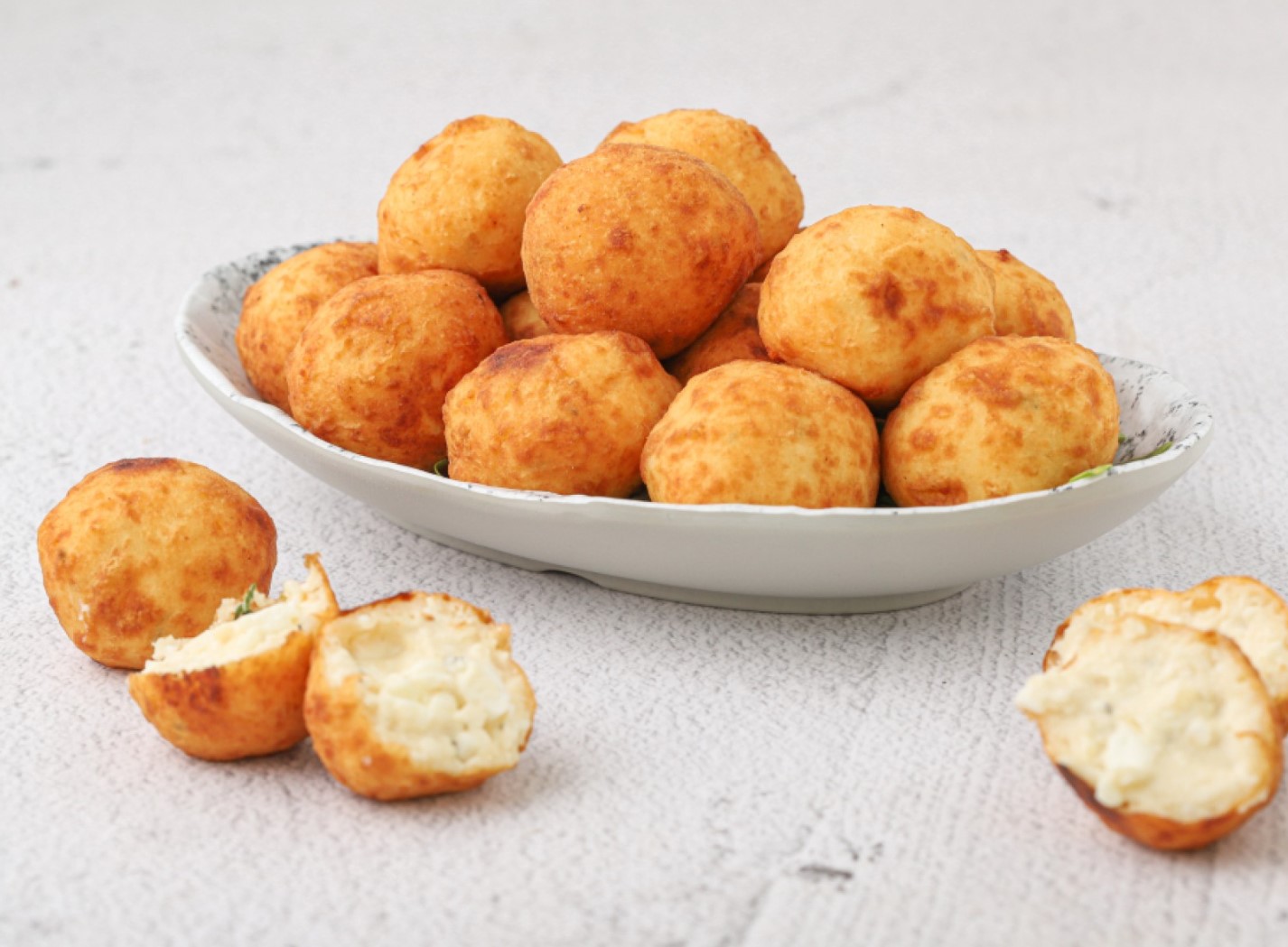
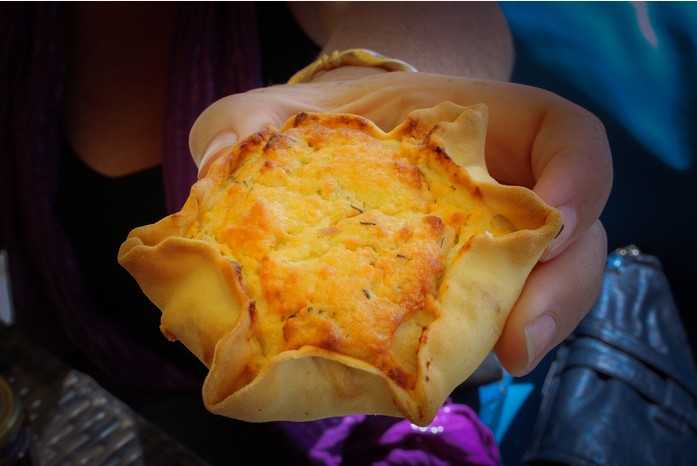
Sfougata: A tasty cheese in shape of small spheres made from local goat milk.
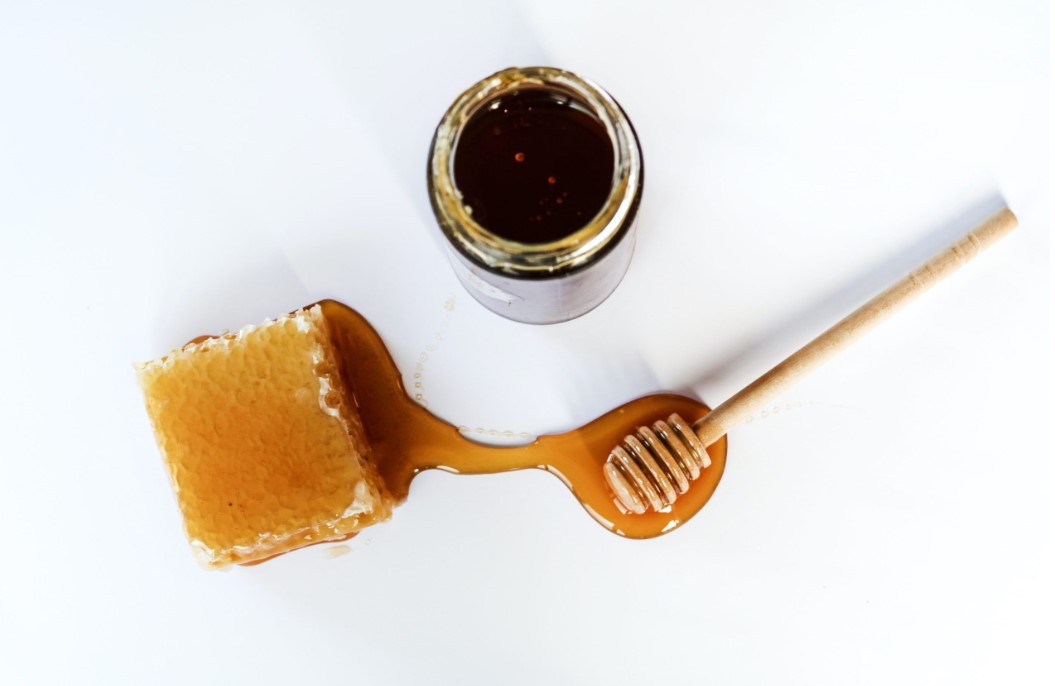
Honey and Almond-based Sweets: Local desserts that reflect the island’s agricultural produce.
 Kythnos Elsas